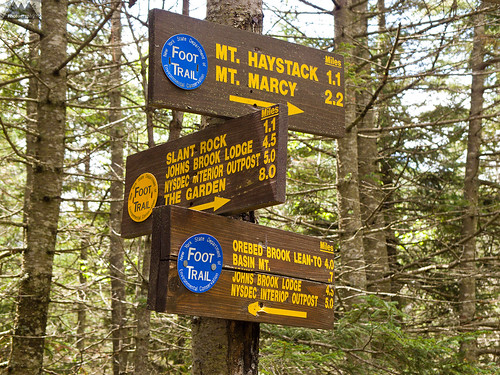



For my birthday in June, I will be doing the Adirondack Great Range. The hike is currently ranked number three on Backpacker Magazine's 10 toughest day hikes in America. The list is ever evolving, and sometimes particular hikes -such as the Devil’s Path or Presidential Traverse- get dropped off, but the Great Range has been a staple on the list for years.
I got to thinking about what I will need to fuel me for the 20+ mile 20,000ft gain and loss day. I estimate I will need around 8,000-10,000 calories of total energy, though, I obviously won’t need to eat 8,000 calories due to my own endogenous fat stores. Not to worry, I'm not making fun of myself, even a very fit/extremely lean person has enough body fat to run a few marathons without additional fuel. This is precisely why I consider my “alpine gut” a survival tool.
Just like any non standard diet, being wheat, gluten, grain, soy and (generally) processed food free does pose some challenges. So, the goal of food I bring is something that keeps me burning endogenous fat and feeling strong, but also keeps me satiated and my stomach from getting upset.
Since I have also been leaning towards the ketogenic (high fat, adequate protein, low carb) end of a diet spectrum for some time, consuming only about 100g of net carbs -sometimes as little as 40 to 60g- per day out of 2500-3500 total calories I don't need to bring a lot of carb laden foods. As a result, I should be able to perform much better without the need to eat a lot of carbohydrates during the day. The reason, of course, is that the machinery to burn fat as a primary fuel source is already in place.
A benefit I have already seen, recently, while on a fairly hard hike (13.5 miles + 4000ft gain), where I only consumed about 600 calories all day (including only 8 grams/42 calories of carbs), was that I never felt hungry or like I was crashing.
Perhaps a pertinent example was this past weekend, I did just under 5000ft of gain in 7.5 miles, which is an effort ratio of 3.73:1, in comparison the Great Range is about 2.8:1 (both ratios are versus flat land hiking). I estimate that I only consumed about 750-1000 calories while hiking and was strong right to the end, with no hunger, crashes or weakness. In fact, in spite of the extremely warm weather and intentionally going into the hike tired from hard workouts the previous two days, I either set or matched personal best up both trails, which are among the steepest in the region. So, even pushing the edges of the fat burning heart rate zone, I never bonked.
Perhaps a pertinent example was this past weekend, I did just under 5000ft of gain in 7.5 miles, which is an effort ratio of 3.73:1, in comparison the Great Range is about 2.8:1 (both ratios are versus flat land hiking). I estimate that I only consumed about 750-1000 calories while hiking and was strong right to the end, with no hunger, crashes or weakness. In fact, in spite of the extremely warm weather and intentionally going into the hike tired from hard workouts the previous two days, I either set or matched personal best up both trails, which are among the steepest in the region. So, even pushing the edges of the fat burning heart rate zone, I never bonked.
Although I could just go bonkers and carb out for a day, carbohydrates have a lot of negative effects when burned as a primary fuel source in athletes. These include inflammation, which is a big deal for a guy with two lumbar disks approaching their second decade of degeneration. But even a healthy person will recover much faster by simply removing acidic trending sugars from their diet. A more immediate negative of carbohydrate rich foods is blood sugar variations. By avoiding sugars, I avoid the spikes and crashes associated with blood glucose levels. Being on a more even keel throughout a long day should have some psychological benefit.
Since I’m endurance hiking in a low heart rate zone and always in a fat burning state of metabolism, there really isn’t a need to vastly change my nutrional intake from what I eat on a day to day basis.
Well, at least I hope there isn’t. After all, this is an N=1 study and I’m the guinea pig.
The following is my list of high calorie ketogenic promoting foods, along with some protein,and some comfort carbs that can be somewhat easily packed for a day hike. For the Great Range hike, I won’t be taking everything on this list, but it’s a good reference of options for future hikes of this difficulty. I included a little blurb of why I would take each item:
- Coconut oil/MCT oil (a great source of easy burning fat calories, coconut oil is about 62% MCT, so it is a cheap way of getting expensive MCT into your body)
- Dark chocolate (85-90%) (an excellent mix of fats, protein, carbs, fiber, and antioxidants. Aside from melting, almost a perfect hiking food)
- Almond or hazelnut butter packets (calorie dense, mostly fat and protein, my replacement for sugar based energy gels...brand name I prefer, Justin's)
- Pumpkin and sunflower seeds (calorie dense, mostly fat, high source of magnesium)
- Raw almonds (calorie dense, something crunchy, same as the above nutrients)
- Foil packed tuna, salmon or sardines (good protein source, almost real food)
- Beef jerky (salty, chewy, almost required for a day on trail, protein dense)
- Frozen guacamole packets (depending on temps...high in fats, calorie dense, can be sucked down on the move...brand name is Wholly Guacamole)
- Chia seeds (in a gel form or mixed into coconut milk...an excellent mix of fats, protein, fiber...but they stick to your teeth for those summit photos)
- BCAA’s (branched chain amino acid tablets or powder, these can be used as fuel and are necessary for endurance activities lasting more than a few hours, they will prevent your body from cannibalizing itself to get the amino acids needed for long duration endurance)
- Canned coconut milk (good source of fats, high in MCTs which are a great source of energy, powdered option is available, but with sugar added, can be dumped into a Nalgene before starting to avoid lugging a can around. Ideally it should be kept refrigerated, so don't let it sit out of the can too long)
- Powdered Coconut Milk (definitely should be avoided when possible, instead of 100% fat content, it's is about 80-90% fat, with a good amount of added sugar, but definitely an option)
- High quality whey protein powder (don’t buy the junk at big box stores...mostly as a addition for coconut milk, but full of amino acids)
- Boiled eggs (a complete protein source that is somewhat hike stable)
- Boiled/baked potatoes (starchy carb, with a little salt on top a great trail snack, real -solid- food)
- Turkey breast and goat cheese in a nori wrap (mmm, real -solid- food early in the day...downsides, low trail life)
- Oat based granola bars (sort of wheat/gluten free, complex carbs, something different...consider it a comfort food)
- Kind bars and Rise Bars(the almond and coconut Kind bar fits in with a ketogenic snack profile, plus a few carbs....the Rise Bar has 3 ingredients, Almonds, whey protein, honey; but like a Kind bar is not quite ketogenic and contains 20g of carbs per ~3oz bar)
- Cocochia bars (lots of fats, some protein, and a negative net carb profile, almost perfect, too bad they are pricey and hard to find)
- Homemade candied ginger with or without 90% dark chocolate coating (definitely not ketosis promoting, but ginger has more digestive enzymes than just about any single natural product on earth. It can cut gas, bloating, and an upset stomach. Plus, it has strong anti inflammatory properties. Oh and it tastes good!)
- Coconut water mixed with green tea (a good way to replenish potasium, and the catechins and flavinoids in green tea are anti-inflammatory. The small amount of caffeine can offer some energy boost, but is probably insignificant to anyone who regularly drinks caffeine. Coconut water contains about 20g of sugars per 12 ounces, so this is definitely not a no sugar drink. It is, however, a much better alternative for those hiking slow enough that solid food is the primary source of calorie intake)
- Carrots and broccoli (both of these have a decent trail life and are pretty durable when stuffed in a pack, only downside is they are a little heavy in terms of calories to weight ratio. Eat them early in the day to shed the weight)
- Beanitos bean and flax chips (this is one of a few areas where I diverge from a Paleo diet, I think properly processed legumes are generally positive in moderation, and Beanitos are a great example of that. Salty -but not too salty-, crunchy, packed with energy and plant based proteins. They are low glycemic load, and have absolutely no corn or wheat in them. )
- WATER (as Dr. Stacy Sims makes clear, you can recover from low blood sugar but not from dehydration)
- S! Caps (Reading the book "Waterlogged: The Serious Problem of Overhydration in Endurance Sports" by Dr. Tim Noakes has really opened my eyes to the LACK of need for electrolytes under normal drinking conditions. However, when hiking we don't always get to "drink plain water to thirst" as Tim Noakes recommends we do. More often than not when hiking, we are drinking as much as we can at water sources because they are few and far between. S! Caps are only used to help move water from the stomach to the body and avoid sloshing around in the stomach, and to avoid potentially deadly hypernatremia when I am forced to down large quantities of water at water sources)