
Wednesday, February 25, 2026

Bone Bruises...Light isn't always right! (The Trap Dike)

(editors note: this has been sitting in my drafts folder for 14 years....time to unleash it, I'm publishing it with the current date but will archive it to Aug 1, 2012)


Group ascending the Trap Dike in the Adirondacks High Peaks. This is a Class 3 (with about 10ft of class 4) scramble


A few weeks ago I did a scramble in the Adirondacks (Trap Dike). I chose to wear running shoes because I knew the group would be moving fast and the approach to the start of the scramble was fairly flat and fairly soft on the feet. Moreover, I knew I'd be swimming, rather than hiking, the most foot unfriendly section of the hike in (Avalanche Pass).

That blue dot in the water is me swimming Avalanche Lake with my pack and gear in a drybag. I swam 400yds in under 10 minutes, and was dressed by the time the hikers arrived


However, I didn't really consider the descent, which of course is where the majority of the impact is on any hike. During the course of the ascent, I switched to my sticky rubber approach shoes (sort of a climbing shoe merged with a running shoe). These are a little small on me, but work perfectly for the ascents, where a tighter shoe offers more control and climbs better. These shoes are very thin to begin with, and my foot got tender under the ball on the ascent of the 3rd and 4th class terrain, but the superficial hot spot turned into deeper pain by the end of the 13 mile day. 

What went wrong? The bottom line, I was carrying 15-20lbs on my back, I was descending a fairly typical northeastern rock hop, I didn't have my trekking poles and I was wearing running shoes designed for light duty trail running on easy trails. 

The end result, a bone bruise on the ball of the foot. I followed up this with a 20 mile weekend in the mountains, and a 30 mile weekend on two of America's toughest trails. Each hike it became more evident that what was wrong wasn't just superficial. 

I admire people who are svelte and nimble enough to get away with ultralight shoes, while hiking along with little or no equipment, but that isn't me. I'm always prepared on the trail, I'm self sufficient. Besides the only way to prepare to carry 20, 30, 40, 50, 60 or more pounds in the mountains is to load up and go hiking. 

Nevertheless, it's ironic that I have solved the issues of my musculoskeletal inflammatory/overuse injuries in the last 8 months by eating a moderately to highly anti-inflammatory diet, only to be back on the injured list with a bone bruise I could have avoided. 

Hopefully someone reading this blog can learn from my own stupidity, which is definitely not that off the mark of what we are fed on a daily basis from the media gurus of the mountain world. After all, just because magazines make a fortune telling you how everything you own is heavy and overbuilt and should be replaced, doesn't mean it is. Sometimes a few extra ounces or a little extra bulk or a little more durability is worth it in the long run.


Wednesday, February 18, 2026

Remodeling the Mountain Visions blog


Howdy subscribers, 

I posted a while back I was rededicating myself to the blog (and Flickr and other content host) and less Meta hosted/controlled content. Meta serves a purpose, sort of like an RSS reader, but it shouldn't be where the stories of your adventures are locked in forever. 

I'm slowly going through and updating abandoned/broken links in the sidebars and in general cleaning them up to reflect current information and things that are important to me.

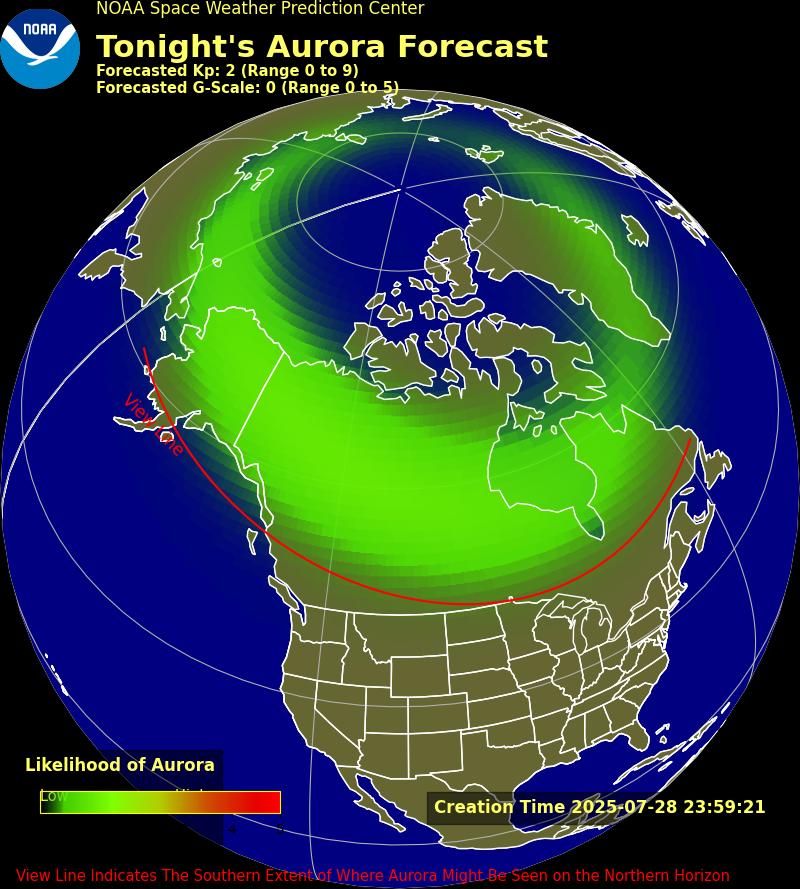
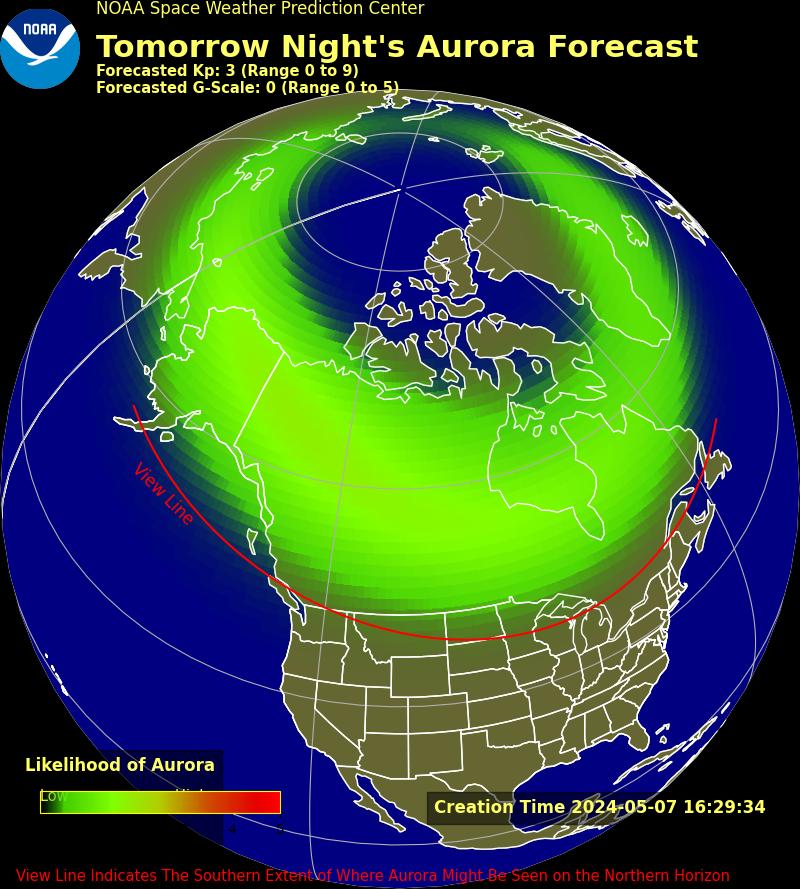
I hope to eventually clean up the sidebars so they are useful again. I've already updated the broken aurora map and the Adirondack Ice Conditions and NH Avalanche conditions.

I've also fixed all of the subscribe options in the top left corner. So if you want to subscribe, I highly recommend Feedly but there are additional options below. I may also put an option for email subscription in the future. 

At this point most of the broken links have been removed. Any that remain are place holders so I can update them with current relevant information. 

I'll be chipping away at it as time allows. 

Thanks for viewing Mountain Visions!


Saturday, February 14, 2026

Colvin in a Moment


Gotcha Day 2/14/2010 

Left this Earth 1/14/2023

Missed but not forgotten


Monday, February 9, 2026

Bikepacking: 1991 Trek Multi-track 7900 loaded on the Erie Canal Trail (Empire State Trail)

1991 Trek Multitrack 7900 on the Erie Canal
Trek 7900 fully rigged and loaded on day 6 of the Heart of the Finger Lakes Route which used the Erie Canal, Cayuga-Seneca Canal and looper around the Finger Lakesfrom Syracuse Amtrak Station


These old Treks were some of the first mass produced gravel type bikes. There were others but none were so readily available. Of course back then gravel bikes weren't a genre so these were sold as hybrids with flat bars. 


It turns out, as long as you don't require disc brakes (and trust me, marketing is a powerful thing but a set of V-brakes with salmon Koolstops are going to stop your bike at least as well as most mechanical disc) these are ideal mixed surface touring bikes/gravel bikes. 


The higher end models like the 7900 came with premium level MTB components. Deore, LX, XT depending on year and a 700c MTB rim with MTB hubs and spacing. Rack mounts, fender mounts. 


Drop bar conversion on a 6/7/8/9 speed just meant a pull adapter for the front derailleur or even easier a bar end friction shifter (I've done both on the two I own). 


The gearing on this is far superior to any modern 1x or even 2x drive train. It's a little less than the 670% of my 7900 but still around 600% with nice tight spacing, a true high gear and a very good low gear (24x34). 


As seen, the bike is outfitted with a Soma Rakku 2 rear rack with Topeak Versa Cages and dry bags (this wasn't an aesthetic choice or a function choice, we didn't finish the second set of panniers), an aliexpress Pizza Rack knock off on front with some creative but very secure attachment, homemade (home modified) military sustainment pouch micro panniers that cost $2.50 each and an hour of hour time per set to modify. The feed bag is a Moosetreks which I scored 5 of for $65 total (shipped). If you know the outrageous cost of bikepacking labeled equuipment you know these climbing chalk bags are not worth $60 each. The Moosetreks feed bag is as nice as any other feed bag on the market and even at it's $27 retail price is still a steal. 


I added a downtube bottle mount for extra capacity. I know a lot of folks dislike the down tube bottle mount but a pro tip, don't drink directly out of it. You just pour the liquid into one of your other bottles.  


The rear derailleur is a takeoff from a newer (90s model) bike. It's XT 8spd vs Deore 7spd. It's running a 9spd cassette. We used microshift R9 brake shift levers, but ended up going with a Sunrace 3x front friction shifter instead of a pull adapter on the front brake shifter. Sunrace bought Sturmey Archer years ago and makes some high quality parts. It's not an AliExpress quality company.  While my preference is cantilever vs v-brakes, I opted for the lower maintenance, higher max stopping power of the XT V-brakes we had from a takeoff mountain bike in the parts bin. Cantis offer better feel and if adjusted properly will stop with plenty of power, but they also require fairly constant maintenance. 


The rear wheel I had to go with a new version. I went with a Weinman Zac 19 in my preferred 36 spoke configuration. There was nothing wrong with the original rim, but it was dished for a 7speed cassette and once again, I didn't have time to redish or bring it somewhere to be redished. 


As shown the bike is outfitted with 38mm Challenge Gravel Grinder tires on 18 and 19mm rims. I love these tires for the gravel I typically ride, and they were great on this trip, but they tend to wear fairly fast on pavement heavy riding. I feel like 35mm is the ideal tire width for unloaded road riding. 38mm might be a little narrow but the riders on this bike won't be heavier than 130lbs and fully loaded this bike is about 160lbs (bike, gear, rider). The multitracks vary in max tire width but 40-45mm is typical (sometimes 50mm possible up front). When this bike needs new tires I will upgrade to 40-45mm for better gravel and rough road performance and comfort. 


20210823_182839_HDR-01
Trek 7900 in original form as purchased for $100

Overall, this is very solid frame up build using a mix of original parts and some parts bin or selected new parts where necessary. Every bearing and part was stripped and cleaned. This is essentially a new bike! 

20250511_195114
Initial test ride before final adjustments and bar taping. All the racks are visible here and the down tube bottle mount. I got creative with the front rack mount but it's very secure and I wouldn't hesitate to run 20lbs on it.